December 18, 2024
The Irony of Block Heater Outlets

Pick any parking lot in Alberta, Saskatchewan, Manitoba, Minnesota, North Dakota, Quebec, Alaska, Norway, Sweden, or Finland and you’ll notice something you won’t see in warmer parts of the world: electrical outlets on the posts between stalls. (We’re not suggesting you visit all of them. But respect if you do.) Those outlets were put there for one reason: block heaters.
When winter temperatures drop to -30°C (-22°F), the oil in a gasoline engine (especially older ones without modern cold-start technology) thickens to the point where the car won’t start. A block heater keeps the engine warm overnight so the car fires up reliably in the morning. For decades, this was simply part of life in cold-climate regions. You plug in your car at night, not to charge it, but to keep it warm.
Here’s the irony: that same outlet infrastructure, built entirely to support gasoline-powered vehicles, is now one of the best advantages cold-climate regions have for EV adoption.

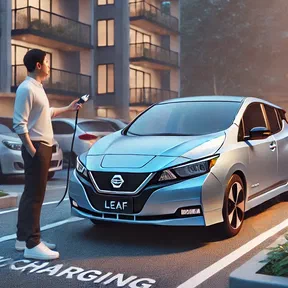
A standard 120V outlet is all a building needs to provide for Level 1 EV charging. Drivers bring their own charging cable, which typically comes included with the vehicle, and plug in for the slow kind of charging that trickles power into the battery while parked at home overnight or at a workplace during the day.
For most drivers with a daily commute under 100km (60 miles), an extended session of Level 1 charging covers everything they need on a typical day. On the coldest days, cold weather can reduce battery range by 30% or more, so the occasional public DC fast charger top-up is handy for longer trips or when the temperature really drops. These numbers aren’t universal. Actual range and charging speed vary by vehicle make and model, driving style, terrain, and conditions. Your experience may differ, but it rings true for most everyday drivers.
People in cold climates already have the habit of plugging in their cars overnight. That habit transfers naturally to EV ownership in a way it simply doesn’t in places where plugging in a car is a foreign concept. Combined with the existing outlet infrastructure, this gives cold-climate regions a genuine head start.
For EV owners in cold-climate regions, particularly those in apartments, condos, and older buildings, they can often start charging right away without waiting for expensive new infrastructure to be installed. The outlet is already there.
How the electrical billing was handled varied: sometimes it was included in the cost of parking, sometimes a flat fee during winter months, sometimes wired directly to the individual unit’s meter. Wiring directly to a unit’s meter is actually a great solution for EV charging. The resident pays for exactly what they use through their own electricity bill. But not every building has that setup, and retrofitting it isn’t always practical.
For buildings without direct unit metering, the old flat-fee and included-in-parking approaches don’t translate well to fair, year-round EV charging. Block heaters were only used occasionally during the coldest stretches, while EV charging is far more frequent. The electricity costs are in a different league entirely. EVnSteven, an app for apartment and condo EV charging, gives building managers exactly that: tracking usage by the hour and billing residents monthly, with no new hardware required.
So give thanks to the gasoline car owners who built all this infrastructure. Sure, some of them might joke about EVs needing to plug in every night. But as anyone who has used a block heater knows, they have been doing the same thing for decades. And these days, they are paying a steep price every time they hit the gas pump.
If you manage a building with 120V outlets in the parking area, EVnSteven can help you put them to work for EV charging today.